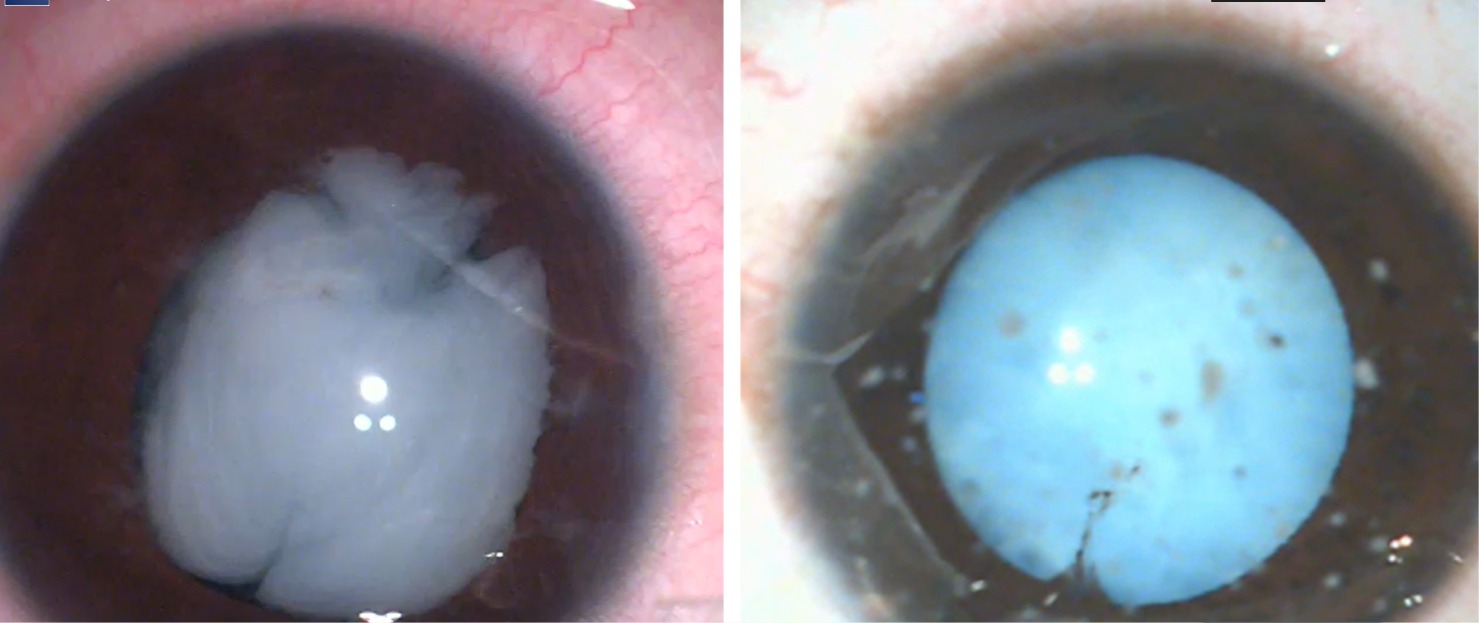
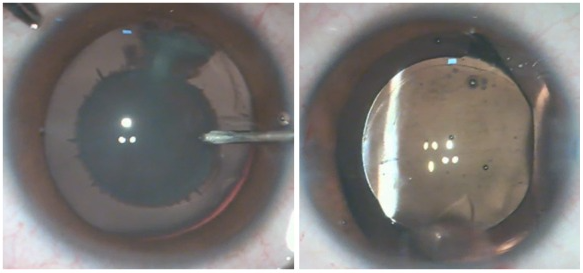
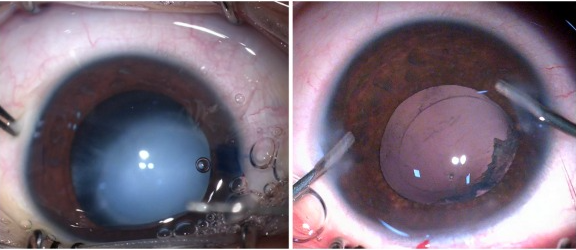
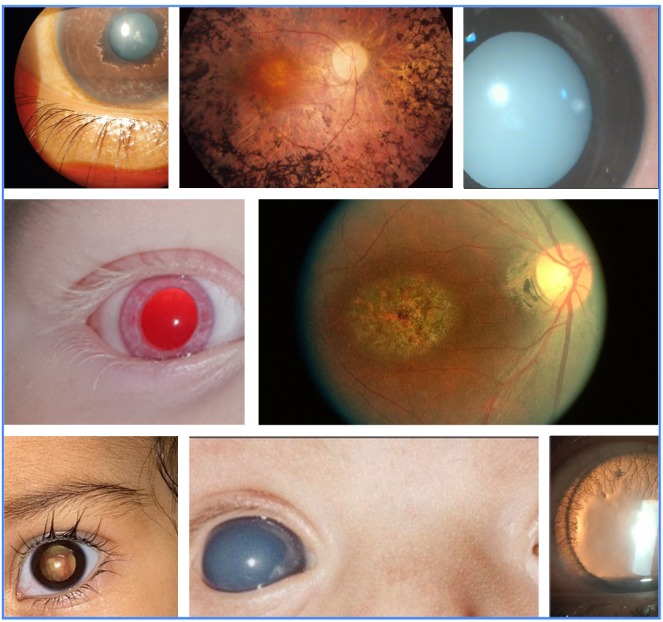
Many complex eye conditions are inherited. Ocular Genetics is a rapidly advancing field that combines clinical ophthalmology with genetic testing. Dr. Tibrewal works to identify the precise genetic mutations responsible for conditions like Retinitis Pigmentosa, Congenital Cataracts, and Albinism. Establishing a genetic diagnosis allows for accurate prognosis, genetic counseling for families, and opens the door to emerging gene therapies and clinical trials.
Hereditary and Rare Disorders of the Eye: Understanding and Management
Ocular genetics is a field of genetics that focuses on the study of genetic factors and their impact on eye development, function, and diseases. The human eye is a complex organ, and various genetic factors play a crucial role in determining an individual's eye color, vision, and susceptibility to various eye disorders. Genetic factors play some role in half of the pediatric eye conditions seen in day to day clinical practice.
Which are the common genetic eye disorders?
There are several common genetic disorders that can affect the eyes. These disorders are typically caused by mutations in specific genes and can result in a wide range of eye-related problems. Some of the common eye genetic disorders include:
- Retinitis Pigmentosa, Leber Congenital Amaurosis, Macular dystrophies like Stargardt's disease, Cone dystrophy
- Anterior segment
- Microphthalmia, Anophthalmia, Coloboma
- Red green colour deficiency, Congenital Stationary Night Blindness
- Retinoblastoma
- Pediatric Cataract, Pediatric and adult Glaucomas
- Age related macular degeneration
- Myopia
- Cornea dystrophies, Anterior segment developmental anomalies
What are the ways to diagnose a genetic disorder?
Diagnosing a genetic disorder typically involves a combination of clinical evaluation, medical history assessment, and specialized laboratory tests. The specific approach to diagnosis can vary depending on the suspected disorder and its characteristics. In most instances a clinical diagnosis is made based on a detailed clinical evaluation, family history charting and ancillary clinical and biochemical tests. The exact nature of the genetic variation can be detected using various genetic tests. These tests involve analysis of individual's DNA to identify specific genetic mutations or variations associated with a particular disorder. Apart from making a definitive diagnosis, genetic testing can be useful for prenatal testing, pre-conceptional testing, newborn screening and carrier testing.
It's important to note that the diagnostic process for genetic disorders can be complex, and not all genetic disorders have a cure or specific treatment. However, an accurate diagnosis is essential for understanding the condition, predicting its progression, and managing symptoms. Genetic counseling is often recommended to help individuals and families navigate the complexities of genetic testing and make informed decisions about their healthcare. Genetic counselors are trained professionals who can assess an individual's risk of having or passing on a genetic disorder. They can provide guidance on genetic testing options and their implications.
Are all eye genetic disorders passed on to future generations?
No, not all genetic disorders are passed on to future generations. The inheritance pattern of a genetic disorder depends on several factors, including the specific genetic mutation responsible for the disorder and whether it is present in the individual's reproductive cells (sperm or eggs). Additionally, the presence of a specific genetic mutation does not guarantee the manifestation of the disorder, as other genetic and environmental factors can play a role in determining an individual's risk and the severity of the condition.
What is the treatment for genetic disorders of the eye?
The treatment options for ocular genetic disorders depend on the specific disorder, its severity, and the underlying genetic mutation. Many ocular genetic disorders do not have a cure, but there are various approaches aimed at managing symptoms, slowing disease progression, and improving the quality of life for affected individuals. Treatment options can include symptomatic management, medications, management of complications, enzyme replacement therapy, gene therapy, stem cell therapy, surgical procedures specific for a particular disorder, and low vision rehabilitation.
In recent years, gene therapy has shown promise in treating certain genetic eye disorders, particularly those caused by specific single-gene mutations. This involves introducing a normal copy of the mutated gene into the affected cells to restore function.
Supportive care from a multidisciplinary team of healthcare professionals, including ophthalmologists, genetic counselors, and vision therapists, can provide guidance and emotional support to individuals and their families. Additionally, ongoing research in the field of genetics and ophthalmology continues to advance our understanding of these disorders and may lead to new treatment options in the future.